


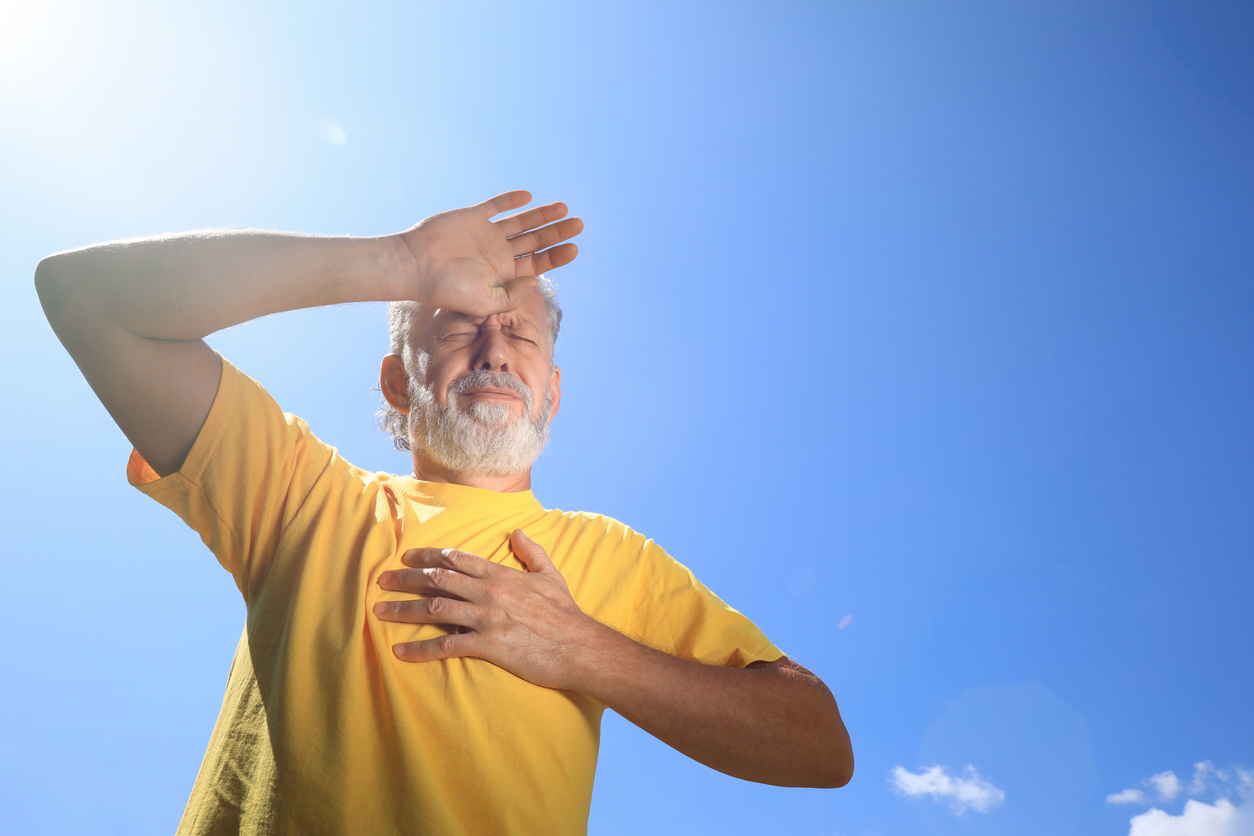
You’ve probably never thought twice about your heart rate until you stepped outside on a 115-degree Yuma afternoon and felt it pounding before you even made it to the mailbox.
The truth is, extreme heat doesn’t just make you sweat and reach for shade. It changes how hard your heart has to work and for some people, that extra strain can be more serious than it seems.
Here’s something worth knowing: when temperatures climb, your body redirects blood toward the skin to help cool itself down, which means your heart has to beat faster and harder to keep up. At the same time, sweating drains fluids and electrolytes, thickening the blood slightly and making it even tougher to circulate. For most healthy hearts, this is manageable. But for older adults, people with heart disease or high blood pressure or anyone on medications, this added workload can tip into dangerous territory.
Watch for warning signs like a rapid or irregular heartbeat, dizziness, unusual fatigue or chest discomfort, especially during peak heat hours between 11 a.m. and 6 p.m. These symptoms shouldn’t be brushed off as “just the heat.” Staying hydrated before you’re thirsty, timing outdoor activities for early morning or late evening and checking in on medications that affect fluid balance can go a long way toward protecting your heart this summer.
Keeping your heart healthy is the top priority of our expert cardiovascular and thoracic team at Onvida Health. Whether you’re looking to lower your risk, recognize the warning signs of heart disease or explore treatment options, we’re here to support you every step of the way. To learn more about our comprehensive heart care services and resources, visit onvidahealth.org/heart